The Complete Guide to Sandwich Panel Production Lines
- Share
- Issue Time
- May 21,2025
Summary
Discover everything about sandwich panel production lines in this comprehensive guide covering working principles, types, key components, applications across industries, and essential purchasing considerations for manufacturers and investors.
Introduction to Sandwich Panel Production Technology
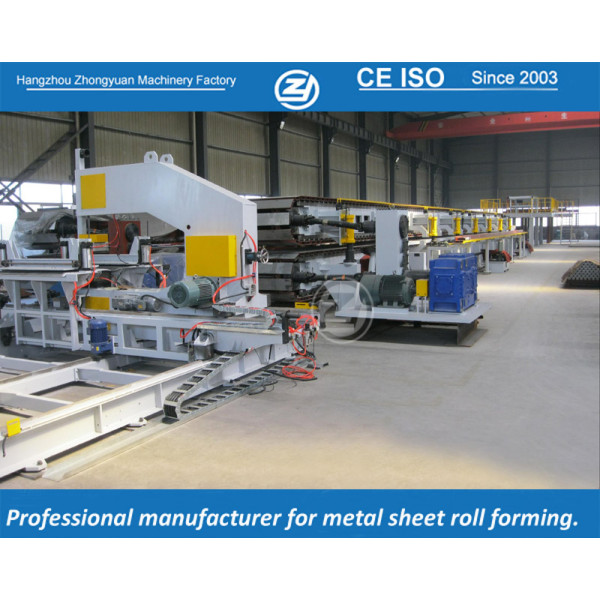
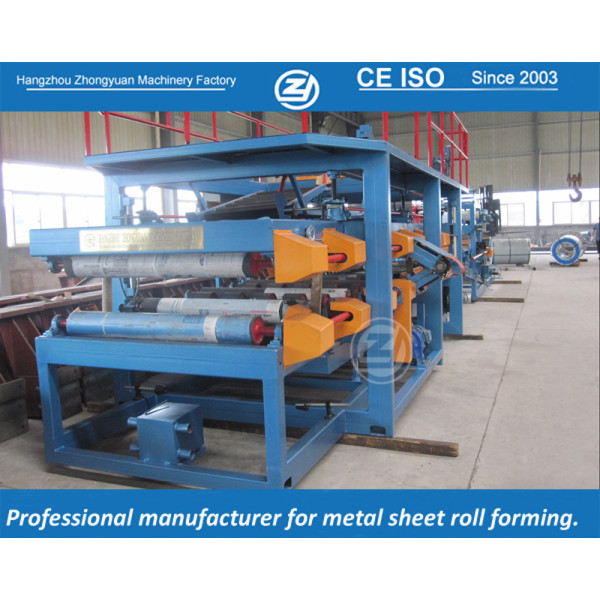
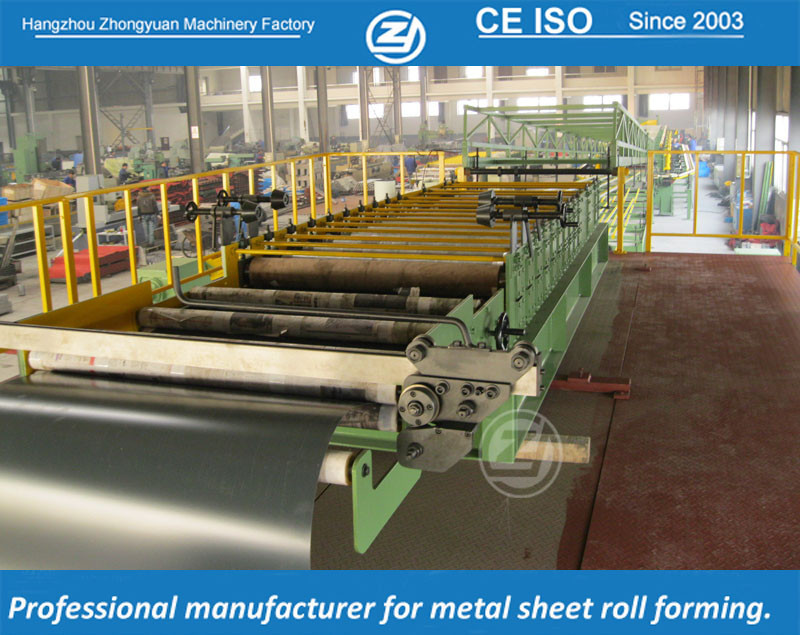
Sandwich panels have revolutionized the construction, refrigeration, and industrial building sectors by offering superior insulation properties, structural integrity, and ease of installation. These versatile building components consist of two metal facings with an insulating core material sandwiched between them. The manufacturing of these panels relies on sophisticated, automated production lines that ensure consistent quality, precise dimensions, and optimal bonding between layers. This comprehensive guide explores sandwich panel production lines, covering their working principles, various types, and critical factors to consider when investing in this technology.
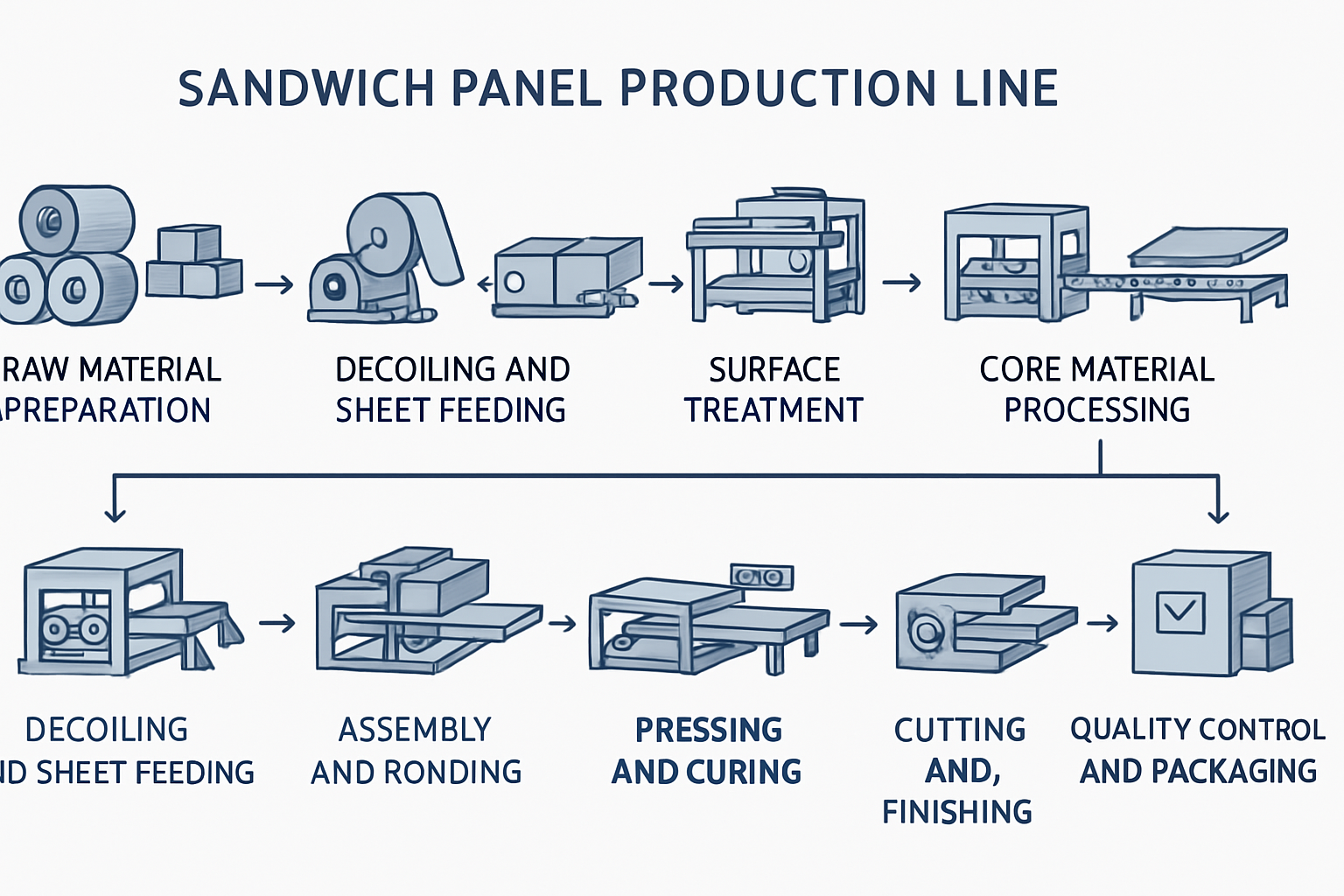
Basic Production Flow and Process Stages
The continuous production process follows a highly synchronized, logical sequence to transform steel coils and chemical components into premium insulated panels:
Looking to Invest in a Sandwich Panel Line?
Get a free customized 3D factory layout proposal and factory-direct price quotation tailored to your production space and budget within 12 hours.
Continuous vs. Discontinuous Production Methods
Investing in sandwich panel manufacturing requires aligning your capital budget with your target market volume:
- Capacity: 800 - 2,500 m² per hour
- Initial Investment: High capital expenditure
- Labor Cost: Extremely low due to full automation
- Best For: Large-scale, standardized production runs
- Capacity: 200 - 600 m² per hour
- Initial Investment: Moderate capital setup
- Labor Cost: Medium-High (manual handling)
- Best For: Small-scale, highly customized special sizes