Snap Lock vs Mechanical Seam Standing Seam Roofing: Complete Comparison
- Share
- Issue Time
- Jun 15,2026
Summary
Comprehensive comparison of snap lock vs mechanical seam standing seam roofing systems — design, installation, weather resistance, cost, and long-term ROI for contractors and building owners.
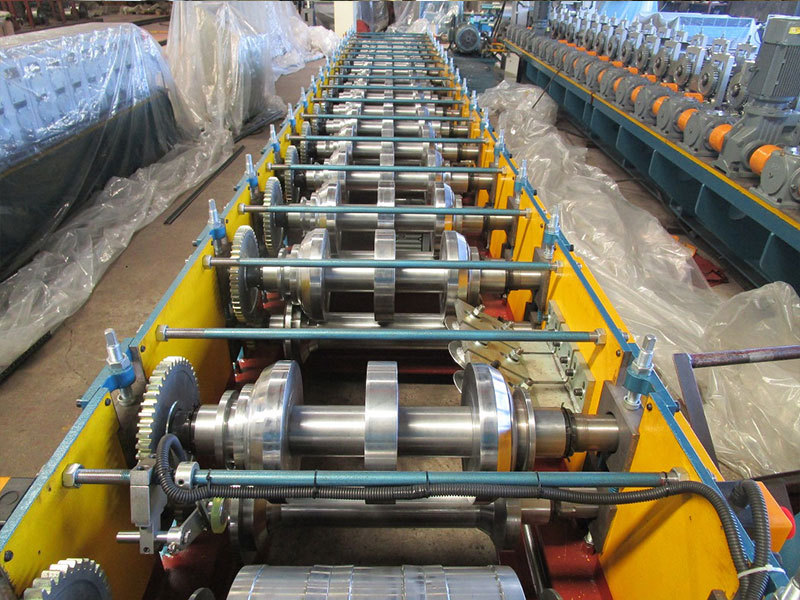
Snap Lock vs Mechanical Seam Standing Seam Roofing: Complete Comparison Guide
Standing seam metal roofing has become the preferred choice for commercial, industrial, and high-end residential buildings worldwide. Among standing seam systems, two primary panel profile types dominate the market: snap lock and mechanical seam (also called mechanically seamed or structural standing seam).
While both systems produce a raised vertical seam that elevates the panel above the roof plane, their installation methods, performance characteristics, and cost structures differ substantially. Understanding these differences is critical for contractors, architects, and building owners making procurement decisions.
This comprehensive guide examines snap lock vs mechanical seam standing seam roofing from every angle — design, installation, weather resistance, thermal performance, cost, maintenance, and long-term ROI — helping you select the right system for your next project.
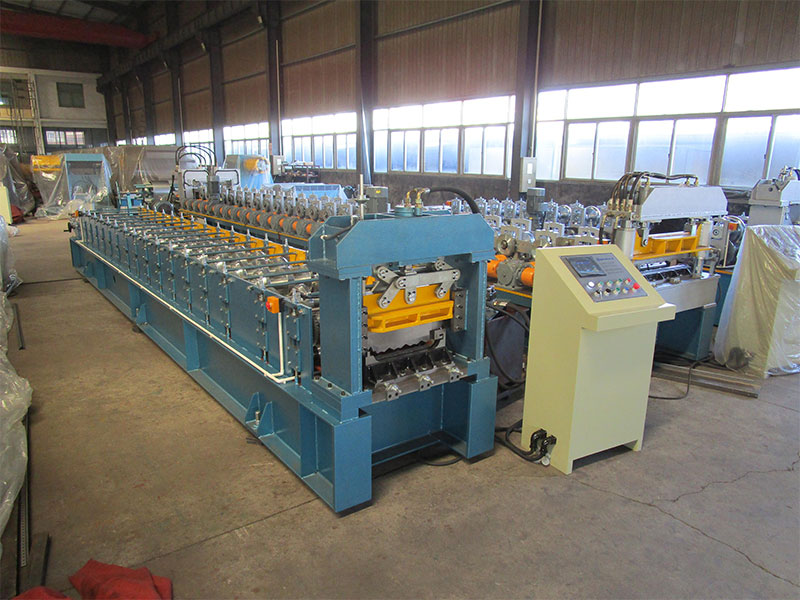
Understanding Standing Seam Roof Systems: Snap Lock vs Mechanical Seam
A standing seam metal roof is defined by its vertical interlocking seams that rise above the roof surface, creating a distinctive ribbed appearance. Unlike corrugated or trapezoidal sheets, standing seam panels conceal the fasteners beneath the seam, providing superior weather resistance and a clean architectural look.
The fundamental distinction between snap lock and mechanical seam lies in how the panels interlock:
Snap Lock Standing Seam Panels
Snap lock panels feature integrated male and female interlocking profiles that are pressed together by hand or with a simple hand seamer tool. The connection relies on the spring tension of the metal profiles snapping into place. No specialized crimping machinery is required for seam closure.
Mechanical Seam Standing Seam Panels
Mechanical seam panels (also called mechanically seamed or double-lock) require a powered seaming machine that rolls and crimps the overlapping metal edges into a tight, continuous lock. This creates a structural connection that is significantly stronger than a snap joint and provides superior resistance to uplift forces.
Snap Lock Standing Seam Panels: Design Features and Installation Process
Snap lock panels are engineered with a precision-formed male rib on one edge and a matching female receptor on the opposite edge. During installation, adjacent panels are aligned and the male rib is pressed or tapped into the female pocket until it locks securely in place.
The snap lock profile typically requires a minimum of 24-gauge steel or 0.032-inch aluminum to maintain adequate spring tension in the locking mechanism. Thinner materials may not provide sufficient grip to maintain seam integrity under thermal cycling.
Installation steps for snap lock panels:

One advantage of snap lock systems is speed — an experienced crew can install 30-50% more square footage per day compared to mechanically seamed panels because no powered seaming equipment is needed. The process is also quieter, making it suitable for occupied buildings where noise restrictions apply.
Mechanical Seam Standing Seam Panels: Design Features and Installation Process
Mechanical seam panels are designed with an elongated female edge that wraps completely around the male edge of the adjacent panel. A powered electric seaming machine traverses the roof, progressively crimping the overlapped metal through two or three passes until a watertight 360-degree lock is formed.
This double-lock configuration creates a structural connection that can achieve UL 580 Class 90 wind uplift ratings — the highest classification for metal roof assemblies. The mechanical interlock is so strong that panels can be installed as roof diaphragms, transferring lateral loads to the building structure without additional bracing.
Higher Uplift Resistance
Mechanical seams typically achieve 150-200% greater wind uplift resistance compared to snap lock systems, making them mandatory in hurricane-prone regions and high-wind zones.
Specialized Equipment Required
Seaming machines range from manual hand-crank models to fully automatic battery-powered units costing $3,000-$15,000. Rental options are available for contractors who do not perform standing seam work regularly.
Installation steps for mechanical seam panels:
Snap Lock vs Mechanical Seam: Side-by-Side Comparison
When evaluating snap lock vs mechanical seam standing seam roofing, several key factors determine which system is appropriate for a given project. The table below summarizes the most important differences:
Weather Performance Comparison: Water Penetration Resistance
Both snap lock and mechanical seam standing seam roof systems provide excellent weather protection when properly installed, but their approaches to water management differ in important ways.
Snap lock systems rely on the spring tension of the interlocking profiles to create a water-resistant barrier. The male-female engagement forms a labyrinth path that prevents capillary action from drawing water upward into the seam. Factory-applied sealant tape or mastic is commonly used at endlaps and penetrations to ensure watertightness.
Mechanical seam systems achieve a superior level of water resistance because the 360-degree crimped connection forms a monolithic joint. The continuous compression eliminates the microscopic gaps that can exist in snap lock connections. Independent testing per ASTM E2140 shows that mechanically seamed panels can withstand over 500% more water pressure before leakage occurs compared to snap lock assemblies.
For projects in regions with heavy rainfall, snow accumulation, or ice damming, mechanical seam provides a higher safety margin. However, snap lock systems with proper slope (3:12 or greater) and quality sealants can achieve satisfactory performance in typical climates.
Thermal Expansion and Contraction Performance
Metal roofing panels expand and contract with temperature changes — a 40-foot steel panel can experience up to 1/2 inch of thermal movement across a typical seasonal temperature range. How each system handles this movement directly affects long-term performance.
Snap lock panels accommodate thermal movement through the sliding action of the interlocking seam. The male rib slides within the female pocket as panels expand and contract. Over time, this repeated sliding can wear down the protective coating at the contact points, potentially leading to galling (metal transfer and abrasion) between adjoining panels.
Mechanical seam systems use hidden clip assemblies that allow the panel to move independently from the roof structure. The clips attach to the structural deck and slide within the panel seam, providing a dedicated slip mechanism that prevents stress from being transmitted to the seam itself. This design eliminates the wear issues associated with snap lock friction points.
For long roof runs exceeding 60 feet, mechanical seam systems with engineered expansion clips are strongly recommended. Snaps lock systems on long roof panels should include factory-mandated expansion joint locations to prevent seam distortion.

Cost Analysis: Snap Lock vs Mechanical Seam Installation
Cost is often the deciding factor when contractors and building owners choose between snap lock and mechanical seam standing seam roofing. A complete cost analysis must account for materials, labor, equipment, and long-term maintenance.
Material costs: Snap lock panels typically cost 15-25% less than comparable mechanical seam profiles. The reduced material cost comes from the simpler roll-forming dies and thinner gauge requirements. Snap lock panels can use 24-gauge steel, while mechanical seam panels typically require 22-gauge to withstand the crimping forces without distortion.
Installation labor: Snap lock panels install significantly faster — a crew of four can complete 4,000-5,000 square feet per day with snap lock versus 2,500-3,000 square feet with mechanical seam. This 30-50% faster installation can save $0.50-$1.00 per square foot in labor costs on a typical commercial project.
Equipment investment: Mechanical seam requires a seaming machine purchase ($5,000-$15,000) or rental ($200-$500 per week). Snap lock requires only hand tools (seamers, snips, caulking guns) that most contractors already own.
Total installed cost comparison (per square foot):
Snap Lock Standing Seam: $5.50-$9.00 per sq ft installed
Mechanical Seam Standing Seam: $7.00-$12.00 per sq ft installed
Cost Premium for Mechanical Seam: 25-40% higher total installed cost
While mechanical seam carries a higher upfront cost, the premium is often justified in regions requiring higher wind uplift ratings or on low-slope roof applications where snap lock cannot provide adequate performance.
Best Applications: When to Choose Snap Lock vs Mechanical Seam
The choice between snap lock and mechanical seam standing seam systems should be driven by project-specific requirements rather than price alone. Here are the recommended application scenarios for each system:
Choose Snap Lock Standing Seam When:
- Roof slope is 3:12 or greater
- Budget constraints favor lower material costs
- Fast installation timeline required
- Noise restrictions limit powered equipment use
- Wind zone is moderate (not hurricane-prone)
- Roof panels are under 40 feet in length
- Project is residential or light commercial
Choose Mechanical Seam Standing Seam When:
- Roof slope is as low as 1/4:12
- Wind uplift resistance is critical (coastal, hurricane zones)
- Roof must function as a structural diaphragm
- Panel runs exceed 60 feet
- Maximum weather resistance required
- Project is large commercial or industrial
- Long service life with minimal maintenance desired

Standing Seam Roof Panel Material Options
The choice of material significantly impacts both snap lock and mechanical seam standing seam roof performance. Common materials include:
Galvalume Steel
55% aluminum-zinc alloy coated steel. Excellent corrosion resistance. Cost-effective. Typical thickness: 24-22 gauge for snap lock, 22-20 gauge for mechanical seam.
Galvanized Steel
Zinc-coated steel. Good corrosion protection. Lower cost than Galvalume but shorter lifespan in coastal environments. Standard for budget-conscious projects.
Aluminum
Naturally corrosion-resistant. Lightweight (about 1/3 the weight of steel). Ideal for coastal applications. Available in 0.032-inch and 0.040-inch thicknesses.
Copper
Premium material with 80-100 year lifespan. Develops distinctive patina over time. Requires mechanical seam only (snap lock not recommended). Highest cost among options.
Zinc
Self-healing patina layer. Excellent durability in harsh environments. Growing popularity in European architectural projects. Requires experienced installer.
Weathering Steel
Forms protective rust layer. Industrial aesthetic. Long lifespan with no maintenance coating required. Used for architectural statement projects.
For most commercial and industrial applications, Galvalume steel in 22-gauge provides the best balance of cost, durability, and formability for both snap lock and mechanical seam systems. ZHONGYUAN standing seam roll forming machines are engineered to handle all common material types and gauges with precision roller die adjustment.
Maintenance Requirements for Both Standing Seam Profile Types
Standing seam metal roofs are known for low maintenance compared to other roofing systems, but the level of ongoing care differs between snap lock and mechanical seam systems:
Snap Lock Maintenance: Snap lock seams should be inspected annually for separation or disengagement at the interlocking joint. Thermal cycling and wind vibration can gradually work seams loose over time, particularly at gable ends and ridge locations. Re-engagement can often be accomplished with a rubber mallet or hand seamer without specialized equipment. Sealant at endlaps and flashings should be inspected and replaced every 10-15 years.
Mechanical Seam Maintenance: Mechanical seams require less frequent attention because the crimped connection is inherently more stable. Annual inspections should focus on the seamed joint for any signs of unrolling or distortion. The seaming machine crimp pressure may need adjustment if gaps are detected. Factory-applied clip lubricant should be verified for proper thermal slip performance.
For both systems, cleaning debris from the roof surface, clearing gutters and downspouts, and inspecting fastener clips and flashings are recommended twice per year. Properly maintained standing seam roofs of either type can achieve lifespans of 40-60 years before requiring replacement.
Long-Term Performance: Lifespan and Return on Investment
When evaluating snap lock vs mechanical seam standing seam roofing over a 40-year building lifecycle, several factors influence the true return on investment:
Snap Lock Longevity
Expected lifespan: 30-50 years with proper maintenance. Lower upfront investment but potentially higher maintenance cost over the roof's life. Seam wear from thermal cycling friction may necessitate seam reinforcement after 20-25 years in high-temperature-variation climates.
Mechanical Seam Longevity
Expected lifespan: 40-60 years with minimal maintenance. Higher initial cost but lower total cost of ownership over the roof's life due to reduced maintenance needs. Superior structural performance provides added value for buildings where roof access for maintenance is difficult or expensive.
Energy efficiency is another important ROI factor. Both snap lock and mechanical seam standing seam roofs accommodate insulation systems and cool-roof coatings. The reflective properties of standing seam metal roofs can reduce cooling costs by 10-25% compared to asphalt shingles or dark membrane roofs. Standing seam systems also provide an excellent substrate for solar panel attachment without penetrating the roof membrane, using specialized S-5! clamps that attach directly to the standing seam without compromising the weather barrier.
ROI Summary: For projects with a 10-15 year planned ownership horizon, snap lock provides the fastest payback. For buildings with 30+ year ownership, mechanical seam delivers superior total cost of ownership despite the higher initial investment.
Conclusion: Selecting the Right Standing Seam System for Your Project
Both snap lock and mechanical seam standing seam roofing systems offer distinct advantages, and the optimal choice depends on your project's specific requirements:
Choose snap lock standing seam when your project prioritizes speed, lower cost, and ease of installation on moderate-slope roofs in standard wind zones. Snap lock is ideal for residential, light commercial, and budget-conscious projects where performance requirements fall within the system's design parameters.
Choose mechanical seam standing seam when your project demands the highest levels of weather resistance, wind uplift performance, and long-term durability. Mechanical seam is the clear choice for low-slope roofs, coastal and hurricane-prone regions, large industrial facilities, and buildings with 30+ year ownership horizons.
ZHONGYUAN offers both snap lock and mechanical seam standing seam roll forming machines engineered for precision profile formation, consistent seam geometry, and reliable long-term operation. Contact the ZHONGYUAN team to discuss your standing seam roof panel production requirements and receive a customized machine configuration recommendation.
Contact ZHONGYUAN for Standing Seam Machine Solutions — Our engineering team provides technical specifications, layout drawings, and production capacity analysis for your specific panel profiles.