Choosing a Metal Roof Panel Roll Forming Machine: Complete 2026 Buyer's Guide
- Share
- Issue Time
- Jun 8,2026
Summary
Looking to buy a metal roof panel roll forming machine in 2026? This comprehensive buyer's guide walks you through machine types, key specifications, automation levels, budget planning, and manufacturer selection. Everything you need to make a confident investment decision.
Why Your Choice of Metal Roof Panel Roll Forming Machine Matters
Investing in a metal roof panel roll forming machine is one of the most significant capital decisions a metal building products manufacturer can make. The machine you select directly determines your production capacity, product quality, operational costs, and ultimately your return on investment. Unlike generic manufacturing equipment, a roll forming machine is purpose-built for specific panel profiles. Choosing the wrong configuration can lock you into a narrow market segment or leave you with equipment that cannot meet your production targets.
The global metal roofing market is projected to reach $28.7 billion by 2027, growing at a CAGR of 5.1% according to Grand View Research. This growth is driven by increasing demand for energy-efficient building materials, longer-lasting roofing solutions, and the expansion of industrial construction in developing regions. For manufacturers entering or expanding in this market, 2026 represents a strategic window where the right machine investment can capture significant market share. However, with dozens of manufacturers offering machines at widely varying price points, from $6,500 entry-level units to $55,000 fully automated lines, making the right choice requires careful analysis.
This buying guide provides a structured framework for evaluating metal roof panel roll forming machines. It covers machine types, technical specifications, automation options, budget planning, and manufacturer evaluation. Whether you are purchasing your first machine or expanding an existing production line, the information here will help you make a confident, informed decision that maximizes your return on investment.

Understanding the Main Types of Metal Roof Panel Roll Forming Machines
Metal roof panel roll forming machines are not one-size-fits-all. The industry has developed specialized machine configurations for different profile families, each optimized for specific panel geometries and production requirements. Understanding these categories is the first step in narrowing your equipment search and avoiding costly mismatches between machine capability and market demand.
Standing Seam Roll Forming Machines produce panels with raised interlocking seams that create a clean, modern architectural look. These machines typically use 14 to 22 forming stations to gradually shape the metal coil into the distinctive standing seam profile. Standing seam panels are the preferred choice for residential and commercial projects where aesthetics and weather resistance are equally important. Machine prices for standing seam formers typically range from $15,000 to $45,000 depending on automation level and profile complexity. The snap-lock and mechanical seam variants each require different roller configurations, so confirm which seam type your target market demands.
Corrugated and IBR Roll Forming Machines produce the classic wavy or trapezoidal profiles that dominate agricultural, industrial, and cost-sensitive commercial roofing. These machines are generally simpler in design with 12 to 18 forming stations, making them more affordable and easier to maintain. Corrugated machines start around $6,500 for basic models, while IBR (Inverted Box Rib) machines typically range from $8,000 to $25,000. IBR profiles have gained significant popularity in Africa and Southeast Asia due to their excellent water runoff characteristics and structural strength. The higher demand for IBR in these regions makes it a strong choice for manufacturers targeting export markets.
Double-Layer Roll Forming Machines combine two independent forming lines in a single frame, allowing one machine to produce two different panel profiles. A typical configuration might produce IBR profiles on the upper line and corrugated profiles on the lower line. This configuration saves factory floor space and represents a lower total investment than buying two separate machines. Prices range from $20,000 to $50,000, making them a popular middle-ground choice for growing manufacturers who want production flexibility without doubling their equipment budget.
Key Technical Specifications to Evaluate When Buying a Roll Forming Machine
Beyond the basic machine type, several technical specifications determine whether the machine can meet your production requirements effectively. These specifications directly impact machine cost, but more importantly, they determine operating efficiency and product quality over the machine's lifespan.
Roller Station Count. The number of forming stations is one of the most significant quality indicators. More stations mean the metal is gradually shaped through smaller increments, resulting in a more precise profile with less material stress. A standing seam machine with 18 stations will produce panels with tighter dimensional tolerances than one with 14 stations. Expect to pay 15-25% more for higher station counts, but the improvement in panel consistency often justifies the premium, especially for architectural-grade panels.
Material Thickness Capacity. Light-duty machines typically handle 0.3-0.8 mm material, while heavy-duty models can process up to 1.5 mm or more. If your target market includes industrial roofing that requires thicker gauge panels (0.6-1.2 mm), you need a machine with a more powerful main motor (7.5 kW or higher) and reinforced roller shafts. Attempting to run thick material on an underpowered machine causes accelerated roller wear and inconsistent profiles.
Production Speed. Entry-level machines run at 10-15 m/min, mid-range equipment achieves 15-25 m/min, and high-speed automated lines reach 30-50 m/min. Higher speed directly translates to greater daily output, but it also requires more robust components, better material handling, and automation features like flying shear cutting systems that trim panels on the move without stopping production. For a manufacturer targeting 3,000+ square meters per day, a high-speed line pays for itself through increased throughput.

Automation Levels: From Manual to Fully Automated Production Lines
The level of automation you choose has the single greatest impact on machine price and production efficiency. Understanding the automation spectrum helps you balance capital expenditure against long-term operating costs.
Manual and Semi-Automatic ($6,500 to $15,000) require operators to manually feed coils, monitor production, and stack finished panels. These machines are the most affordable and are suitable for small workshops with low production volumes (under 500 square meters per day). The trade-off is higher labor costs and greater dependence on operator skill for consistent quality.
Fully Automatic ($25,000 to $55,000) include automatic decoilers, servo-driven feed systems, PLC-controlled forming, flying shear cutters, and automatic stackers. These systems can run with minimal operator intervention, achieving consistent output of 2,000 to 5,000 square meters per day. The return on investment comes from reduced labor costs (one operator can oversee two or three automatic lines) and higher production consistency.
Smart Factory Integration represents the highest tier of automation, where roll forming machines are integrated with Manufacturing Execution Systems (MES) for real-time production monitoring, predictive maintenance scheduling, and quality tracking via IoT sensors. While this level is currently more common in high-volume operations (50,000+ square meters monthly), the technology is rapidly becoming more accessible for mid-size manufacturers.
Budget Planning: What to Expect at Different Price Points
A well-planned budget considers not only the machine purchase price but also installation costs, tooling, shipping, and the first year of operation. Here is a realistic breakdown of what different budget tiers deliver in 2026.
Entry-Level ($6,500 to $12,000) Basic corrugated or tile profile machines with manual operation, 12-15 forming stations, simple PLC control, and stop-to-cut shearing. Suitable for startups testing the market or small contractors producing panels for their own projects. Expect production speeds of 8-12 m/min and material capacity up to 0.5 mm thickness.
Mid-Range ($12,000 to $28,000) IBR, standing seam, or double-layer machines with semi-automatic operation, 14-18 forming stations, brand-name PLC (Siemens or Delta), and hydraulic cutting systems. Production speeds of 12-20 m/min with material capacity up to 0.8 mm. This is the sweet spot for most growing manufacturers entering regional distribution.
Professional Grade ($28,000 to $55,000) Fully automatic lines with servo feeders, flying shear cutters, automatic stackers, and 16-22 forming stations. Production speeds of 20-35 m/min handling material up to 1.2 mm. Includes comprehensive warranty (12-24 months), installation support, and operator training.
Hidden Costs to Budget For Shipping and customs clearance (5-15% of machine value depending on destination), installation and commissioning ($1,500 to $5,000), initial tooling for profile changes ($800 to $3,000 per roller set), electrical infrastructure upgrades, and a 10% contingency for spare parts during the first year.
Comparing Different Panel Profiles and Their Market Demand
The panel profile you choose to produce determines your addressable market. Each profile family serves different construction segments with distinct customer requirements and pricing dynamics.
Standing Seam Panels command the highest per-square-meter prices and are preferred for high-end residential, commercial landmarks, and architectural projects. The market for standing seam roofing is growing at 6.2% annually, driven by the premium construction segment's emphasis on clean sight lines and superior weather performance. A standing seam machine requires more capital investment but offers higher margins per panel. Manufacturers targeting the architectural market should invest in machines with 18+ stations for the precision these projects demand.
Corrugated and IBR Panels represent the volume market, accounting for approximately 65% of all metal roofing installed globally. Price points are lower but volume is substantially higher. The sweet spot for manufacturers is producing IBR profiles for the agricultural and industrial sectors, where consistent demand and repeat orders provide stable revenue streams throughout the year.
Insulated Roof and Wall Panels (sandwich panels with PU, EPS, or mineral wool cores) serve the cold storage, clean room, and industrial building markets. These are produced on specialized roll forming lines integrated with lamination and foaming equipment. While the capital investment is significantly higher ($80,000 to $200,000+ for a complete production line), the per-unit margins are attractive, and demand is growing at 7.8% CAGR globally as energy efficiency regulations tighten.
Evaluating Machine Build Quality: What to Inspect Before Buying
Machine build quality is difficult to assess from a spec sheet alone. When evaluating equipment from different manufacturers, inspect these physical indicators of quality and longevity.
Frame Construction. A high-quality machine uses welded H-beam or heavy-duty channel steel frames with a minimum thickness of 8-12 mm. The frame should be stress-relieved after welding to prevent distortion over time. Lower-cost machines often use lighter gauge steel or bolted frames that can flex under load, leading to misalignment and inconsistent panel profiles.
Roller Material and Coating. The forming rollers are the heart of the machine. Premium manufacturers use GCr15 bearing steel or equivalent for roller construction, followed by hard chrome plating (0.03-0.05 mm thickness) for wear resistance. Quality rollers should have a surface hardness of HRC 58-62. Some manufacturers offer tungsten carbide coating for extended roller life in high-volume production environments.
Shaft and Bearing Quality. Roller shafts should be made of 45# steel or higher, heat-treated, and precision-ground. Bearings should be from recognized brands such as NSK, SKF, or FAG. The machine documentation should specify both shaft diameter and bearing specifications. If these details are not provided, it is a warning sign about component quality.
PLC Control Systems: The Brains of Your Roll Forming Machine
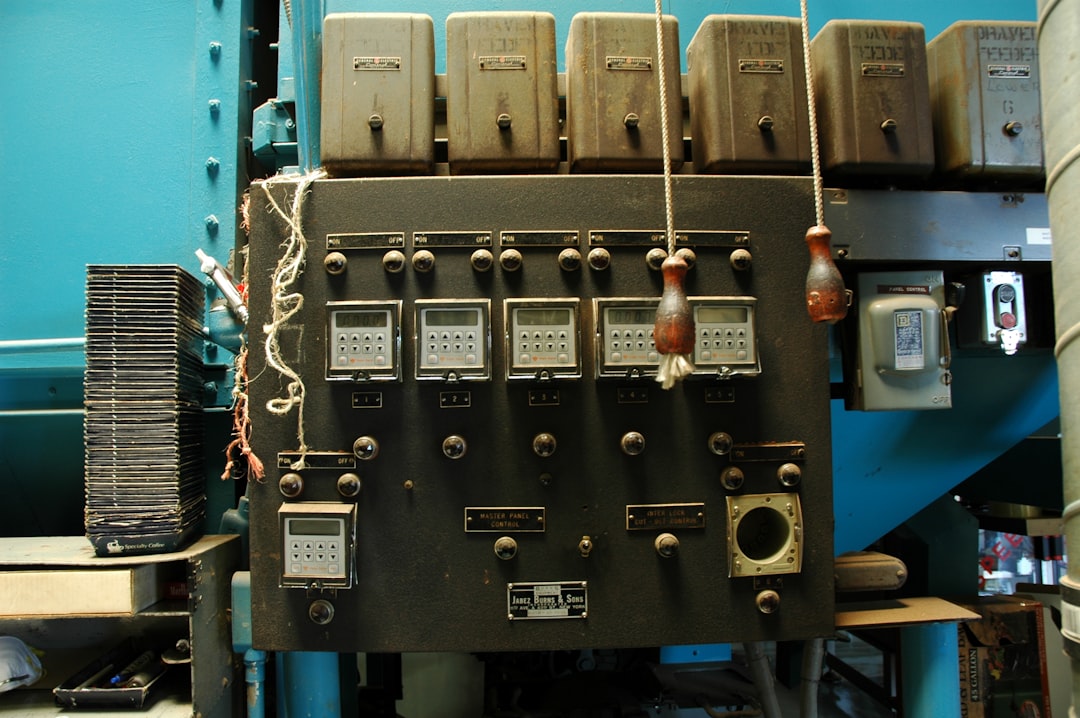
The Programmable Logic Controller (PLC) is the central nervous system of a modern roll forming machine. The choice of PLC brand and configuration directly affects machine reliability, ease of operation, and long-term support availability.
PLC Brand Selection. Global brands like Siemens, Allen-Bradley, Mitsubishi, and Omron represent the premium tier, offering extensive documentation, global service networks, and widely available replacement parts. Chinese brands like Delta, Wecon, and Kinco offer excellent value with 30-40% cost savings while maintaining reliable performance for most roll forming applications. The key consideration is local support availability.
Touch Screen Interface. Modern machines feature touch screen HMIs that allow operators to adjust panel length, production speed, cutting parameters, and monitor machine status. A high-quality HMI provides intuitive navigation, multilingual support, and real-time production counters. Look for machines that allow profile parameter presets so operators can switch between profiles with a single button press.
Diagnostic and Maintenance Features. Advanced PLC systems include diagnostic functions that log machine operating hours, track bearing temperature, count production cycles between maintenance intervals, and display error codes with troubleshooting guidance. These features reduce downtime by enabling predictive maintenance rather than reactive repairs.
Shipping, Installation, and Commissioning Considerations
A roll forming machine is heavy industrial equipment that requires careful logistics planning. Understanding shipping and installation requirements upfront prevents costly surprises during the procurement process.
Ocean Freight and Packaging. Machines are typically shipped in wooden crates via 20-foot or 40-foot containers. Standard machines weigh between 3,000 and 8,000 kg. Inquire whether the manufacturer handles export customs clearance and whether the quoted price includes FOB or CIF terms. CIF terms shift more responsibility to the seller.
Factory Preparation. Your facility needs adequate floor space, typically 18-30 meters of linear space for the full production line. The floor must be level (within plus or minus 2 mm over the machine length) and capable of supporting the machine weight. Electrical requirements vary but most medium-size machines need 380V three-phase power with 20-60 amp capacity.
Installation and Training. Most reputable manufacturers include 2-5 days of on-site installation support and operator training. Some manufacturers now offer virtual commissioning using digital twins to program and test the machine before shipping, which can reduce on-site installation time by 40-60%.
Warranty and After-Sales Support: What to Look For
The quality of after-sales support can make the difference between a profitable investment and a costly mistake. When comparing manufacturers, evaluate these support dimensions.
Warranty Coverage. Standard warranties range from 12 to 36 months. A comprehensive warranty should cover frame structural integrity, roller shafts, gearboxes, bearings, and electrical components. Some manufacturers exclude wear parts (rollers, cutting blades) from warranty, which is standard industry practice.
Spare Parts Availability. Ask whether the manufacturer stocks spare parts for your machine model in regional warehouses. Machines from large manufacturers with global distribution networks offer rapid parts delivery (24-72 hours for common parts). Smaller manufacturers may require 2-4 weeks for parts, which can cause costly production delays.
Technical Support Channels. Reliable manufacturers provide multiple support channels: phone, email, WhatsApp, and video call troubleshooting. Some offer remote diagnostic access to the machine's PLC via the internet, allowing engineers to diagnose and resolve software issues without an on-site visit.
Comparing Manufacturers: A Structured Evaluation Framework
Not all roll forming machine manufacturers deliver the same quality, reliability, and support. Use this structured framework to evaluate and compare manufacturers before making a purchase decision.
Step 1: Request Detailed Quotations. Send the same specification requirements to at least three manufacturers. Request itemized quotations that separate machine cost, tooling, shipping, installation, and training. Compare not just total price but the completeness of features offered.
Step 2: Verify Production Capability. Ask for videos of the specific machine model running at full production speed. Request references from buyers in your region or market segment. If possible, arrange a factory visit or virtual tour to assess manufacturing standards firsthand.
Step 3: Evaluate Responsiveness. Pay attention to how quickly and clearly the manufacturer responds during the sales process. Slow or vague responses during the buying phase often indicate the same level of support after purchase.
Step 4: Assess Total Cost of Ownership. A machine that costs 20% less upfront but requires 30% more maintenance or produces 10% more scrap will cost more over five years. Factor in maintenance, energy consumption (servo-driven systems can save $2,000-$5,000 annually), and expected roller replacement frequency.
Common Buying Mistakes and How to Avoid Them
Learning from others' mistakes can save you tens of thousands of dollars and months of lost production time. Here are the most common pitfalls first-time roll forming machine buyers encounter.
Mistake 1: Price Alone. The cheapest machine in the market is rarely the best value. Low-cost machines often use lighter frames, generic electrical components, and minimal quality control. Buyers who saved $5,000 on the purchase price frequently spend $10,000-$20,000 on repairs and lost production in the first two years. Target the mid-range of your budget for the best balance.
Mistake 2: Underestimating Installation. Many buyers are surprised by shipping, customs, electrical work, foundation preparation, and installation fees that can add 20-35% to the total project cost. Get a complete landed cost quotation before approving the purchase.
Mistake 3: Ignoring Changeover. Some machines require expensive retooling to change profiles. If your market demands multiple panel types, invest in a machine with quick-change roller systems that allow profile changes in 30-60 minutes rather than 4-8 hours.
Mistake 4: Overlooking Training. A sophisticated machine is only as effective as the people operating it. Verify that the manufacturer provides comprehensive training, ideally both at the factory and on-site after installation. Budget for 2-3 days of training time.
Making Your Final Decision: A Step-by-Step Action Plan
As you near your purchase decision, follow this action plan to ensure you have covered all critical factors.
Weeks 1-2: Research. Define your target profiles, production volume requirements, and budget range. Research at least five manufacturers and request preliminary quotations. Read customer reviews and ask for references in your market segment.
Weeks 3-4: Verification. Request production videos, arrange factory visits or virtual tours, verify warranty terms, and confirm spare parts availability. Compare total landed costs including shipping, installation, training, and first-year maintenance.
Week 5: Decision. Select the manufacturer that offers the best balance of machine quality, automation level, support, and total cost of ownership. Negotiate delivery timeline, payment terms (30% deposit, 70% before shipment is industry standard), and warranty conditions.
Weeks 6-12: Preparation. Prepare your factory floor, arrange electrical infrastructure, and confirm shipping logistics. Work with the manufacturer on installation scheduling and operator training plans.
Weeks 13-16: Installation and Ramp-Up. Coordinate machine installation, commissioning, and operator training. Plan for a 2-4 week ramp-up period during which production gradually reaches target capacity as operators gain proficiency.
Final Thoughts on Your Roll Forming Machine Investment
Choosing the right metal roof panel roll forming machine is a strategic business decision that will shape your production capabilities for years to come. The machine that best fits your business is the one that matches your target market requirements, fits within your realistic budget (including all ancillary costs), and comes from a manufacturer with proven quality and responsive support.
The metal roofing industry continues to grow, and 2026 offers favorable conditions for manufacturers who invest wisely. By following this buying guide, evaluating machine types, specifications, automation levels, build quality, and manufacturer credentials, you are equipped to make a decision that serves your business for the long term.
ZHONGYUAN Metal Forming Machinery - Professional roll forming machine manufacturer since 2005. Contact us for detailed quotations tailored to your production requirements.